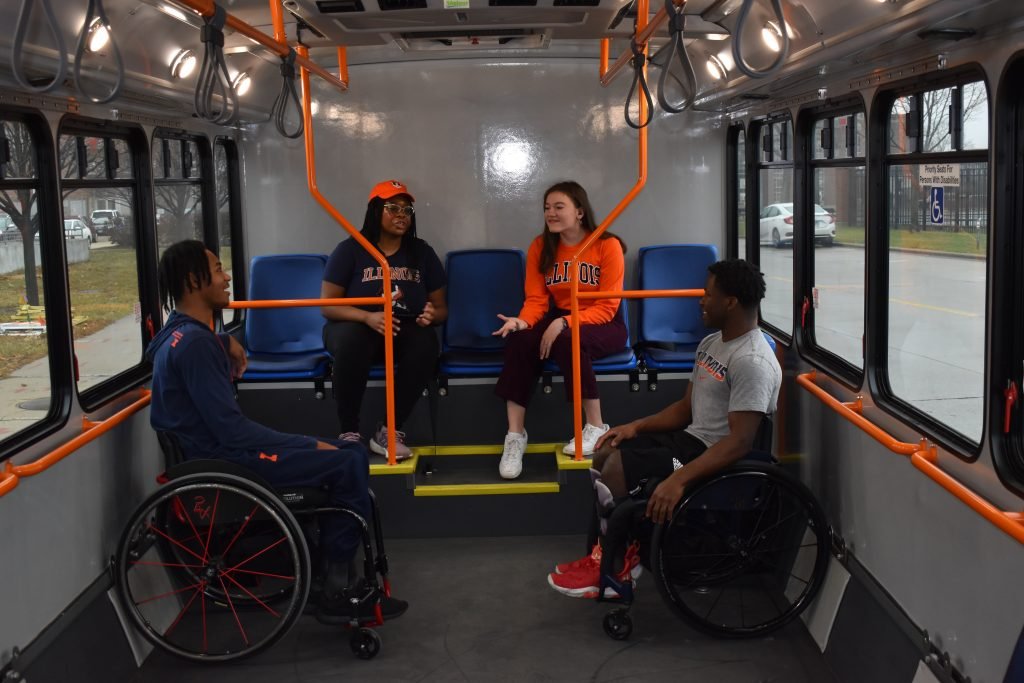
For millions of Americans, the simple act of getting from point A to point B isn't just a matter of convenience; it's a fundamental pillar of daily life, connecting them to work, healthcare, social events, and essential services. This is where Transportation & Accessibility steps in, transforming what can be a significant barrier into a pathway to greater independence and participation, especially for mobility-challenged residents. When transportation is truly accessible, it doesn't just improve individual lives—it strengthens entire communities.
Imagine missing a doctor's appointment because you couldn't get a ride, or foregoing a visit to a grandchild because public transit isn't equipped for your wheelchair. These aren't hypothetical scenarios; they're daily realities for a significant portion of our population. Thankfully, dedicated initiatives and evolving services are working to close these gaps, making our world a bit smaller and much more connected for everyone.
At a Glance: Key Takeaways for Accessible Transportation
- It's a Right, Not a Privilege: Federal laws like the ADA mandate accessible transportation options.
- Diverse Options Exist: Beyond traditional public transit, specialized services like paratransit, ride-hailing, and dedicated van services cater to specific needs.
- Local Solutions Lead the Way: Many communities offer tailored programs that complement broader services, often providing same-day, door-to-door options.
- Eligibility Varies: Age, disability status (often ADA Paratransit certification), and residency are common criteria.
- Technology is Your Friend: Apps and call centers streamline booking and payment for many accessible services.
- Advocacy is Key: Continued engagement with transportation departments helps shape future accessibility initiatives.
The Hidden Hurdles: Why Accessible Transport Matters So Much
For most of us, the decision to go to the grocery store, attend a community event, or visit a friend is rarely complicated by the mechanics of the journey itself. We hop in a car, catch a bus, or hail a ride without a second thought for ramps, lift availability, or driver training. But for the 25.5 million Americans with travel-limiting disabilities, according to the National Household Travel Survey, these considerations are front and center, often dictating their ability to engage with the world around them.
Lack of accessible transportation can lead to profound isolation. It restricts access to vital healthcare appointments, employment opportunities, educational pursuits, and social interaction, diminishing quality of life and hindering personal growth. This isn't just an individual problem; it's a societal challenge that impacts economic participation, community vibrancy, and overall public health. When a significant portion of the population faces systemic barriers to mobility, everyone loses out on their potential contributions.
A Foundation of Rights: The ADA and Your Travel
At the heart of accessible transportation in the United States lies the Americans with Disabilities Act (ADA). Signed into law in 1990, the ADA prohibits discrimination based on disability in various areas, including public transportation. For many, the ADA is more than just a piece of legislation; it's the bedrock that ensures buses, trains, and other public transit systems provide reasonable accommodations.
The Department of Transportation (DOT) actively implements ADA accessibility initiatives, inviting engagement and connection for future opportunities. This means that if you use public transit, you should expect:
- Accessible Vehicles: Buses and trains equipped with ramps or lifts, securement areas for wheelchairs, and audible stop announcements.
- Paratransit Services: A "safety net" service for individuals whose disability prevents them from using the regular fixed-route system. ADA paratransit provides comparable service to the general public transportation system, often door-to-door, within specific service areas and hours. Understanding understanding ADA paratransit regulations is crucial for eligible individuals.
- Accessible Stations and Stops: Facilities designed to be usable by individuals with disabilities, including clear pathways, ramps, and accessible signage.
While the ADA provides a crucial federal framework, the specifics of how these mandates are implemented, and the additional services that complement them, often come down to local initiatives and community-level programs.
Navigating Your Options: A Spectrum of Accessible Services
Accessible transportation isn't a one-size-fits-all solution. Depending on your mobility level, where you live, and your specific needs, a variety of services might be available to you. These options range from integrated features within existing public transit to highly specialized, on-demand services designed for specific populations.
General Categories of Accessible Transport:
- Fixed-Route Public Transit: Buses, trains, and subways that have been made accessible through ADA compliance. This is often the most cost-effective option, assuming routes and stops meet your needs.
- ADA Paratransit: A demand-response service that operates curb-to-curb or door-to-door for individuals certified as eligible due to their inability to use fixed-route services. It's often reserved for specific trips that cannot be made via the regular system.
- Specialized Transit Programs: Many cities, counties, and non-profits offer programs tailored for older adults or individuals with disabilities that go beyond federal mandates. These can include subsidized taxi vouchers, volunteer driver programs, or dedicated van services.
- Accessible Ride-Hailing: The growth of services like Uber and Lyft has included efforts to integrate accessible vehicles (WAVs) into their platforms, though availability can vary by location and time.
- Non-Emergency Medical Transportation (NEMT): Services specifically for getting to and from medical appointments, often covered by Medicaid or private insurance.
Knowing choosing the right mobility aid for you can significantly impact which transportation options are most suitable and comfortable.
Case Study: Ride-On Tri-City — A Model for Local Solutions
Sometimes, the best way to understand the practical impact of accessible transportation is to look at a real-world example. The "Same Day Rides For Older Adults & People With Disabilities" service in Fremont, Newark, and Union City offers a fantastic illustration of how local initiatives can fill critical gaps and significantly improve daily life. This service exemplifies how communities can go beyond basic ADA compliance to provide truly flexible, demand-responsive transportation.
This program provides two distinct options, acknowledging that "mobility-challenged" encompasses a wide range of needs:
- Ride Hailing Services: Designed for individuals who walk unaided or use a cane or walker. This option offers curb-to-curb service and is not wheelchair accessible.
- Wheelchair Accessible Van (WAV) Service: Specifically for people who use a wheelchair and require accessible transportation, offering a more supportive door-to-door experience.
These services don't replace ADA Paratransit; they complement and supplement it, providing more immediate and flexible options for certain types of trips.
Breaking Down the Tri-City Service:
Let's look closer at the practical details that make this type of service so valuable.
Who's Eligible?
Eligibility is designed to target those most in need within the specific communities:
- Residents of Fremont, Newark, or Union City.
- 70 years of age or older; OR
- 18-69 years of age AND certified with ADA Paratransit.
This tiered eligibility ensures both older adults who may experience age-related mobility challenges and younger individuals with certified disabilities can access the service. It's a great example of local community support programs for seniors and people with disabilities working effectively.
When and Where Can You Go?
Flexibility is key for independent living. This service boasts:
- Availability: 8:00 am - 6:00 pm, seven days a week.
- Destinations: Within Fremont, Newark, and Union City.
- Trip Limit: A maximum of thirty one-way trips per month, offering substantial freedom.
This schedule and geographic coverage mean participants can reliably access local amenities, appointments, and social engagements throughout the week.
What's the Cost?
Affordability is paramount, especially for individuals on fixed incomes:
- Rides cost $4 per one-way trip.
- No extra charge for companions or attendants, which is a significant benefit for those needing assistance.
This low, fixed cost makes it an economical choice compared to standard ride-hailing or private accessible transport.
Option 1: Curb-to-Curb Ride Hailing for Independent Travelers
For those who don't require a wheelchair-accessible vehicle but still benefit from subsidized, on-demand transport, this option offers convenience and speed. Participants choose between two user-friendly booking methods:
- Lyft Phone App Users: If you're comfortable with technology, this is a seamless experience. You need a smartphone, the Lyft app installed, and a saved payment method. Most rides arrive within 5–15 minutes, offering near-instantaneous travel.
- GoGoGrandparent Call Center Users: For those who prefer a human touch or don't use a smartphone, GoGoGrandparent is an excellent alternative. You simply call an operator to book a ride (or have assistance in doing so) and need a saved payment method. Ride-On Tri-City staff assist with GoGoGrandparent account setup upon enrollment, removing a common barrier to entry for less tech-savvy individuals. This highlights how technology can enhance accessible travel even for those not directly using an app.
Option 2: Door-to-Door Wheelchair Accessible Van (WAV) Service
This is the cornerstone for individuals using wheelchairs, providing specialized vehicles and a higher level of service.
- Vehicles: Minivans equipped with rear-entry ADA compliant wheelchair ramps, supplied via Via Transportation. This ensures a safe and comfortable transfer.
- Service Level: Door-to-door, meaning the driver will assist from your door to the vehicle, and from the vehicle to the door of your destination.
- Independence: Riders must be able to travel independently or with a caregiver.
- Booking: Rides can be pre-booked for planned appointments or requested on-demand, typically with a 30-45 minute response time. Booking is flexible, available over the phone, online, or with a mobile rider app. Contact information is provided upon enrollment.
This WAV service demonstrates a comprehensive approach to mobility, ensuring that even those with significant mobility challenges have reliable, convenient, and accessible options.
Beyond the Ride: Tips for Confident Travel
Securing an accessible ride is just one part of the journey. Feeling confident and prepared for your trip can make all the difference.
- Plan Ahead (When Possible): Even with same-day services, knowing your destination and potential route helps. For pre-booked WAV services, confirm your ride details the day before.
- Communicate Your Needs: When booking, clearly state any specific requirements—whether you need a ramp, extra space, or assistance with luggage.
- Have Your Information Ready: Keep your eligibility ID (if applicable), payment method, and relevant contact numbers handy.
- Be Patient and Flexible: While response times are often quick, unforeseen delays can occur. Build a little buffer into your schedule.
- Know Your Rights: Familiarize yourself with ADA guidelines for transportation providers. This knowledge empowers you to advocate for yourself if you encounter issues.
- Provide Feedback: Your experiences are valuable. Share positive feedback to encourage good service, and report issues respectfully to help services improve.
Thinking about the larger scope of urban mobility, we can Explore 34th Street for how effective urban planning and infrastructure contribute to overall accessibility, benefiting everyone, not just those with mobility challenges.
Common Questions About Accessible Transportation
Navigating accessible transportation can bring up a lot of questions. Here are some common ones with crisp, helpful answers:
Q: Is ADA Paratransit always door-to-door?
A: While often described as door-to-door, ADA paratransit is legally mandated as curb-to-curb service. However, many providers offer door-to-door assistance as a best practice, especially if safely possible. Always confirm with your local provider.
Q: Can I bring a companion or service animal on an accessible ride?
A: Yes, ADA regulations require that service animals be allowed to accompany their handlers on accessible transportation. Many local programs, like the Tri-City example, also allow companions or personal care attendants to ride free or at a reduced rate. Always check the specific policy of your chosen service.
Q: What if an accessible vehicle isn't available when I need it?
A: The availability of accessible vehicles can vary, especially with ride-hailing apps. Specialized services like ADA Paratransit or dedicated WAV programs often have better reliability for pre-booked rides. If you encounter consistent unavailability, report it to the transportation provider and, if necessary, to your local Department of Transportation or disability advocacy groups.
Q: How do I know if I'm eligible for ADA Paratransit?
A: Eligibility is determined by a functional assessment, not just a diagnosis. You apply to your local transit agency, which evaluates if your disability prevents you from using fixed-route transit some or all of the time. This process often involves a detailed application, an interview, and sometimes an in-person assessment.
Q: Are there accessible transportation options for long-distance travel?
A: Yes, but options become more limited. Amtrak offers accessible train travel, and major airlines have specific procedures for accommodating passengers with disabilities, including wheelchair assistance. Greyhound and other intercity bus services also adhere to ADA accessibility requirements. Planning well in advance is crucial for long-distance accessible travel.
The Road Ahead: Advocating for Better Accessibility
While significant progress has been made, the journey toward truly universal transportation accessibility is ongoing. The Department of Transportation (DOT) actively invites engagement and connection for future opportunities, recognizing that community input is vital.
Your voice matters. Whether it's participating in local transportation planning meetings, contacting your elected officials, or joining disability advocacy groups, contributing to the conversation helps shape the future. From advocating for better sidewalk infrastructure to demanding more comprehensive accessible ride programs, advocating for more accessible infrastructure and services benefits everyone.
We need to continue pushing for:
- Integrated Technology: Making booking, payment, and real-time tracking of accessible vehicles as seamless as possible.
- Wider Availability: Expanding specialized services to more rural and underserved areas.
- Driver Training: Ensuring all drivers of accessible vehicles receive comprehensive training in assisting passengers with various disabilities.
- Cross-Modal Coordination: Better integration between different modes of transport (e.g., seamless transfers from accessible bus to accessible train).
Taking the Next Step Towards Greater Independence
Transportation is more than just movement; it's freedom, connection, and opportunity. For mobility-challenged residents, robust and reliable accessible transportation services are not just desirable—they are essential for thriving.
If you or a loved one are facing transportation barriers, don't feel isolated. Start by researching the specific services available in your community. Contact your local public transit agency, Area Agency on Aging, or independent living center. They can provide detailed information on eligibility, application processes, and local programs that might be perfectly suited to your needs.
By leveraging the resources available and actively engaging with our transportation systems, we can all contribute to a world where everyone has the means to move freely, participate fully, and lead a richer, more connected daily life. Your journey to greater independence is just a ride away.